Do'ani Sidr, Hadrami Sidr, Sumur
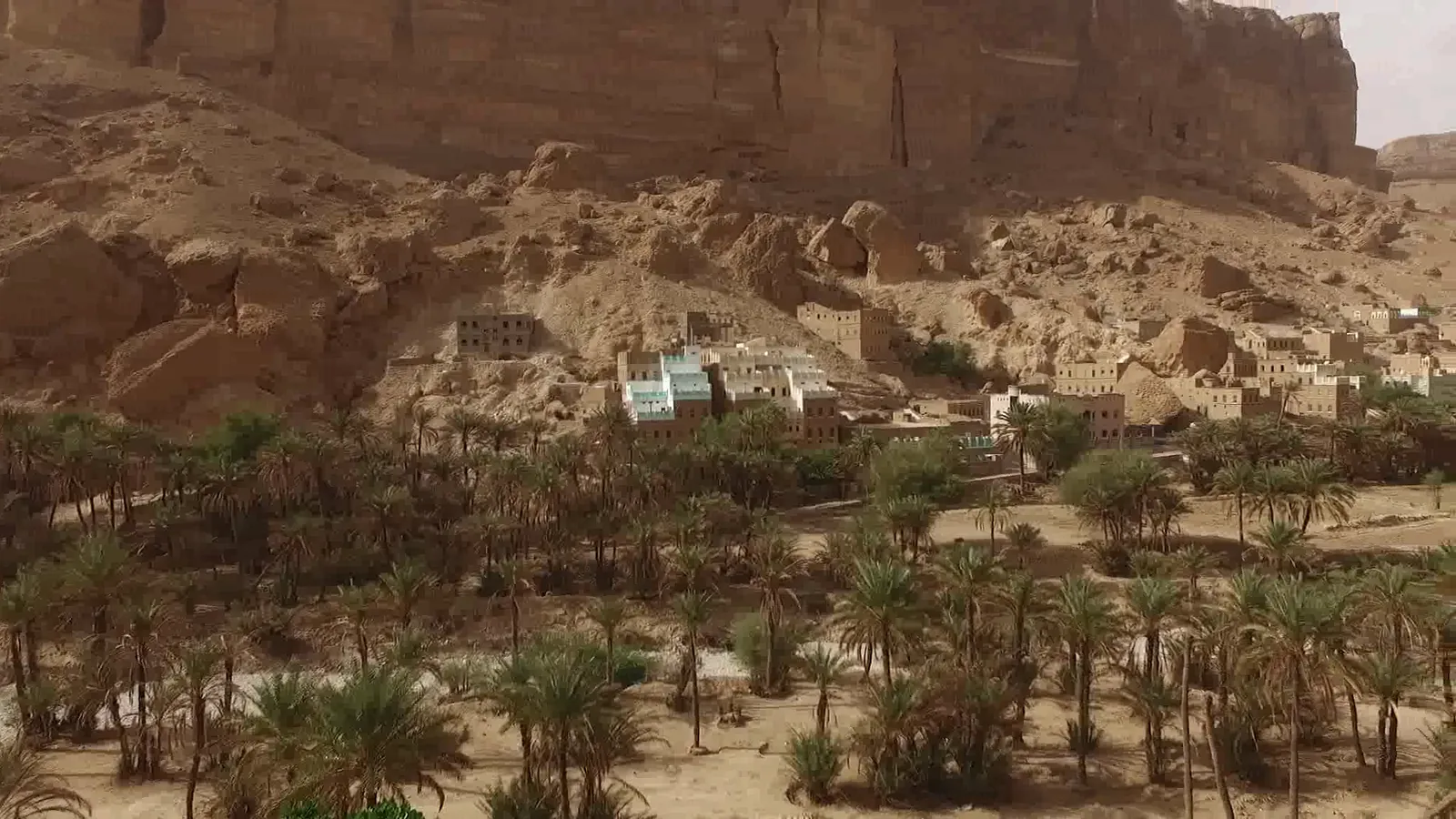
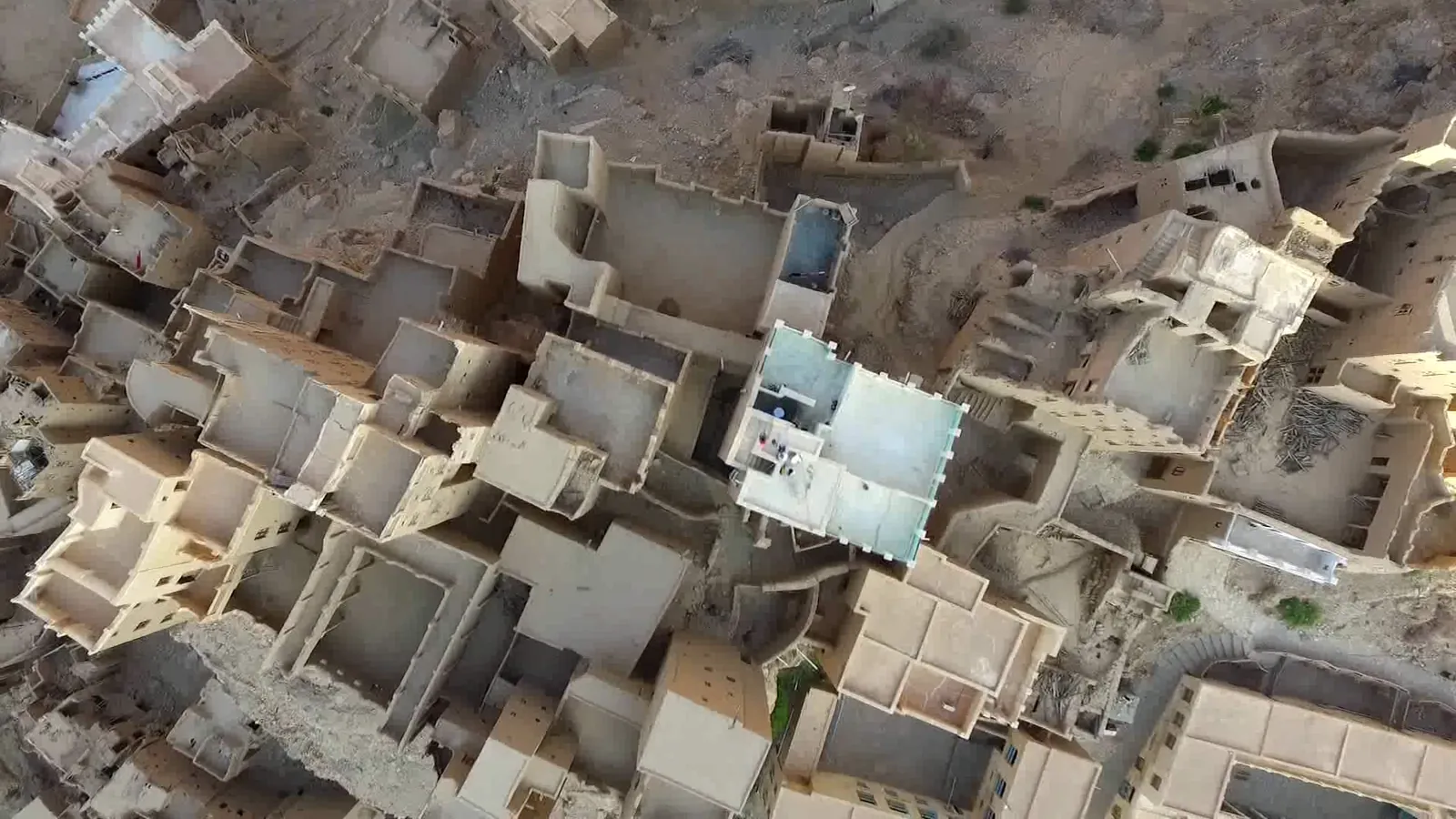
Hadramout (Wadi Do'an, Al-Ain & Plains)
Yemen's primary honey-producing governorate by reputation, heritage concentration, and export demand.
Terrain: Limestone canyons and unirrigated wadi silt
Original English and Arabic documentation covering Yemen's honey-producing governorates, why Sidr harvests shift from September in the northern highlands to November in Hadramout, established Yemeni honey houses, and laboratory verification standards.
Cites Washington Institute, Sana'a Center, Carnegie Endowment, and FAO Yemen alongside preserved legacy archive addresses.
Archive entry /index.php?id=26, archive entry /index.php?id=5
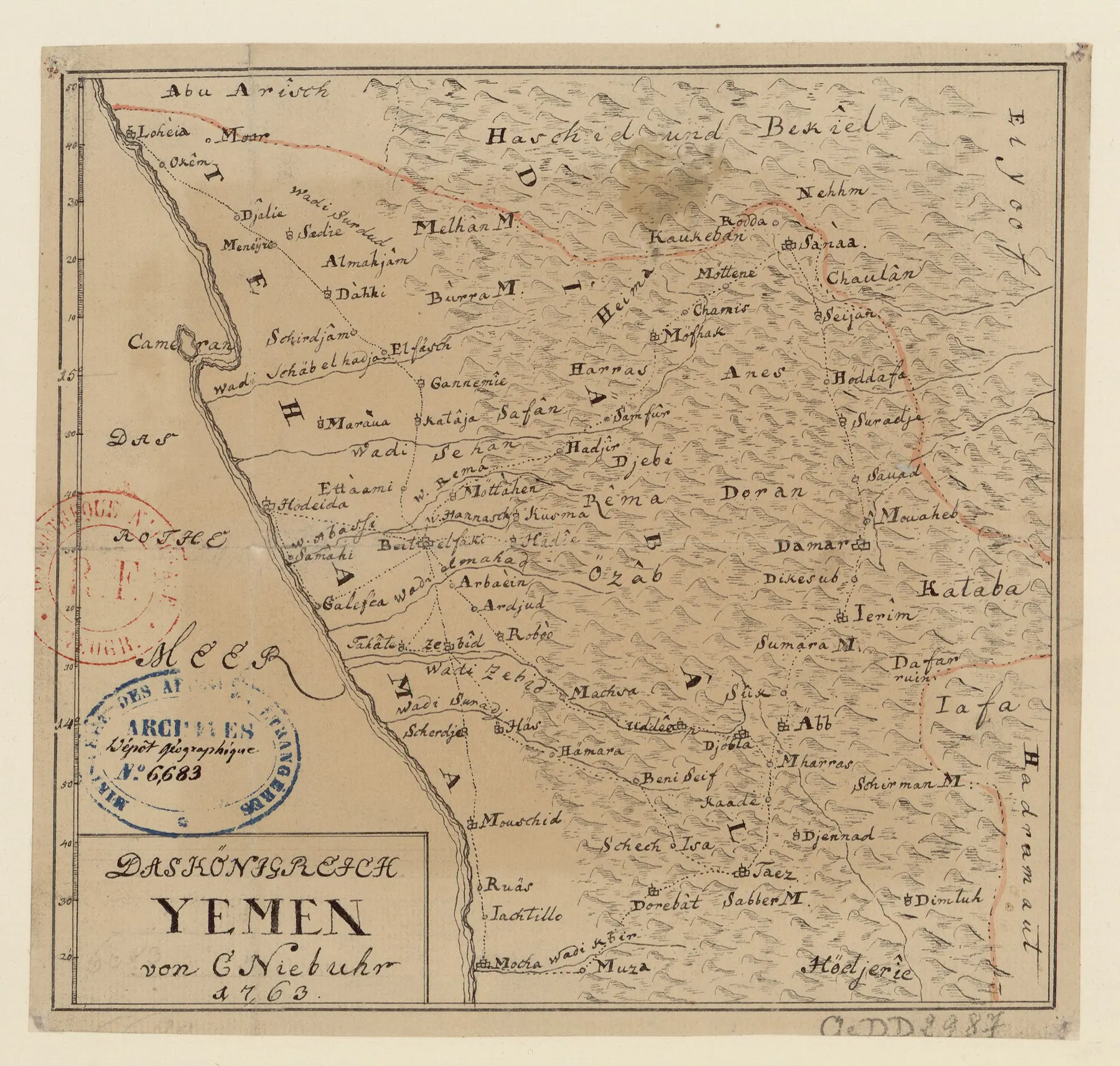
Yemen's primary honey-producing governorate by reputation, heritage concentration, and export demand.
Terrain: Limestone canyons and unirrigated wadi silt
Major eastern desert-plateau producer along historic overland incense corridors.
Terrain: Arid plateau wadis, low humidity
Early-autumn highland Sidr and summer mountain wildflower centers.
Terrain: High-altitude terraced mountains
Vital spring acacia plains and Socotra's rare endemic island harvests.
Terrain: Coastal foothills & island woodlands
Yemen's honey trade is anchored inside the country by long-standing Hadrami apiaries, traditional Sana'a market houses, and academic beekeeping institutions rather than offshore repackaging brands.
Academic center researching native Apis mellifera jemenitica health, flora conservation, and international Yemeni bee symposia.
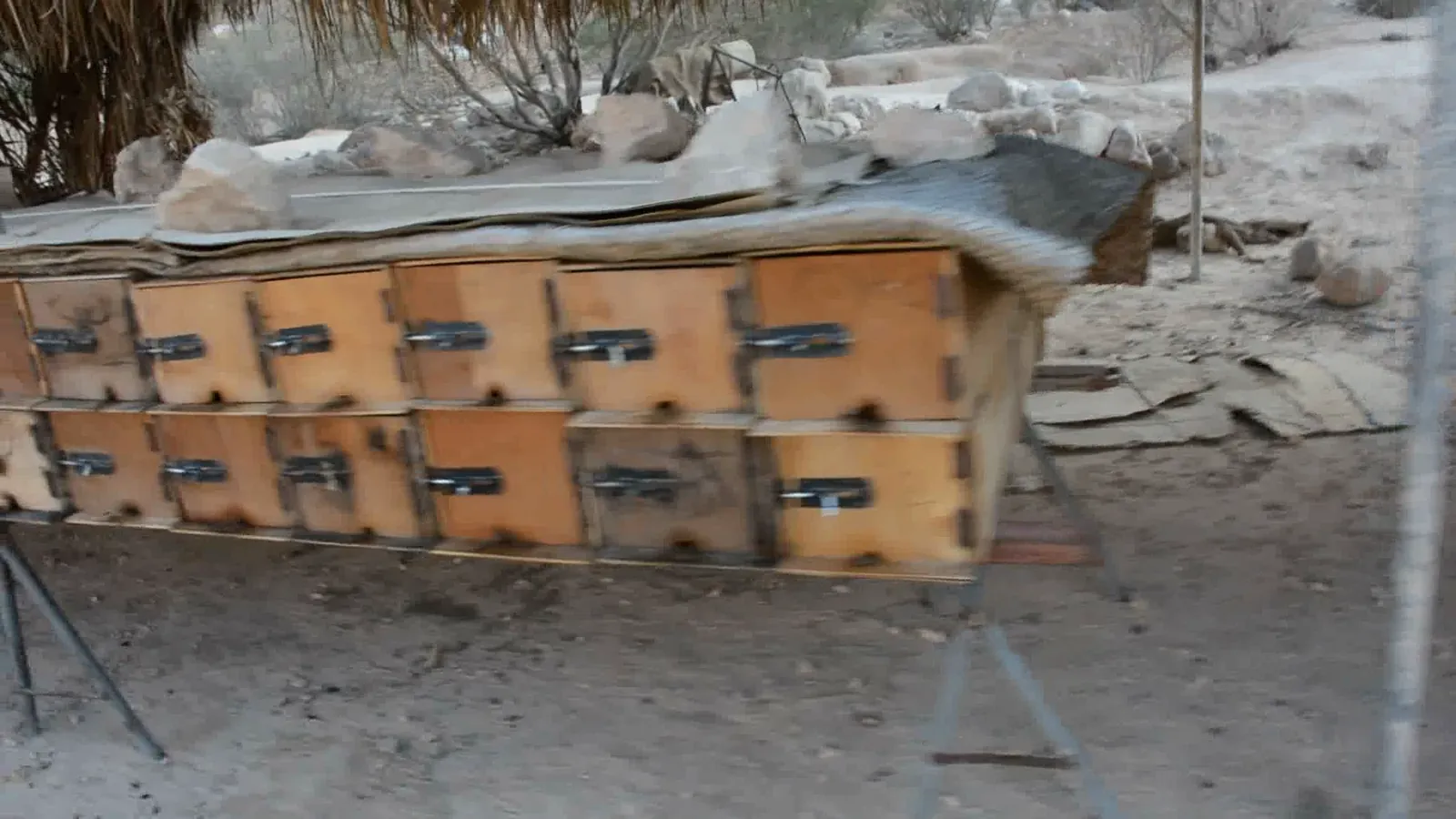
Over 15 years harvesting and grading Hadrami Sidr, Sumar, and Marai directly from Wadi Bin Ali and neighboring valleys.
Wadi Do'an producer specializing in seasonal Hadrami Sidr, Sumar, and mountain Talh harvests.
Traditional Sana'a honey house trading regional highland Sidr, Usimi, and desert acacia lots in domestic and Gulf markets.